NewMatrytech AI Studio is live — build production-grade AI agents in weeks, not quarters.
— AI & Generative AI Development

Production AI that works in your stack — not in a demo.

RAG pipelines, AI agents, LLM integrations and ML systems that go live in 4–8 weeks. Built on OpenAI, Anthropic, open-source models and your proprietary data. Shipped by engineers who've taken AI from prototype to enterprise scale.

$8–25ktypical engagement · prototype in 2 weeks · production in 4–8 weeks
12+AI systems in production
2 weeksPrototype to live demo
4–8 wksPrototype to production
$8–25kTypical engagement cost
— What we build

Six AI capabilities. One engineering team.

We build AI that integrates with your existing stack — not AI that requires you to replace it. Every system ships with evals, monitoring and a latency SLO before we hand it over.

— 01

RAG & Knowledge Systems

Retrieval-Augmented Generation pipelines that answer questions from your documents, databases and APIs — accurately, with citations, and without hallucinating policy that doesn't exist.

  • Vector stores: Pinecone, Weaviate, pgvector
  • Hybrid BM25 + semantic retrieval
  • Evals harness before first demo
— 02

AI Agents & Automation

Multi-step agents that take actions: book meetings, file tickets, run analyses, send reports. Wired to your tools (Slack, Salesforce, Notion, your internal APIs) and supervised with human-in-the-loop approval flows.

  • LangGraph, CrewAI, custom agent loops
  • Tool use + function calling
  • Human-in-the-loop approval gates
— 03

LLM Integration & Fine-tuning

Connect your product to OpenAI, Anthropic, Llama, Mistral or Gemini — with fallback chains, cost controls and prompt versioning. Fine-tune when base models aren't good enough for your domain.

  • OpenAI, Anthropic, Gemini, Llama 3
  • LoRA fine-tuning for domain language
  • Prompt versioning + A/B testing
— 04

AI Copilots & Chat Interfaces

Support bots, internal assistants, sales copilots and document processors built with your brand voice, your data and guardrails that prevent the embarrassing outputs. Deployed as web, mobile or Slack app.

  • Streaming UI with React / Next.js
  • Guardrails: topic, tone, hallucination
  • Analytics on every conversation
— 05

Computer Vision & NLP

Structured data extraction from PDFs, invoices, medical records and images. Object detection, OCR, classification and NER pipelines — custom-trained on your data, not generic off-the-shelf models.

  • Document AI: invoices, contracts, forms
  • OCR + entity recognition (spaCy, Donut)
  • Custom CV models: YOLO, EfficientDet
— 06

MLOps & AI Infrastructure

Model serving, continuous retraining, drift detection and cost monitoring. Your AI doesn't degrade silently after launch — we wire observability from day one so you see it before your users do.

  • Model serving: FastAPI, vLLM, Triton
  • Drift detection + retraining pipelines
  • LLM cost + latency dashboards
— The stack

Tools we'd stake a production system on.

We're model-agnostic but opinionated. These are the tools currently running inside AI systems under our maintenance — not a slide-deck list of logos we've heard of.

OpenAI
Anthropic
Llama 3
Mistral
Gemini
LangChain
LangGraph
LlamaIndex
Pinecone
Weaviate
pgvector
Python
FastAPI
HuggingFace
PyTorch
AWS Bedrock
GCP Vertex
Arize AI
— How we work

From brief to production in 8 weeks.

Most AI projects stall in "evaluation mode" for months. We run fixed sprints with a live demo at the end of each one. You never go more than two weeks without seeing working software.

01

Discovery — Week 0

Map the problem, audit your data, and define the evaluation criteria that matter. You leave with a scoped proposal and a fixed quote in 48 hours.

02

Prototype — Weeks 1–2

A working RAG pipeline or agent that answers real questions from your data. End-to-end, with an eval harness. Not a Jupyter notebook — a running system.

03

Build — Weeks 3–6

Production architecture, auth, integrations, streaming UI, cost controls and guardrails. Two-week sprints, demo every Friday, code in your repo from day one.

04

Launch & monitor — Week 7+

Go-live with observability wired in: cost per query, latency P99, retrieval quality, hallucination rate. Optional retainer for retraining and feature iteration.

— Why us

AI that ships. Not AI that impresses in slides.

Most AI consultancies deliver a proof-of-concept. We deliver a production system with monitoring, evals and a handover brief. Two things separate us from the slide-deck shops.

— 01 · Evals before models

We build the test suite before we touch the model.

Every engagement starts with ground-truth question-answer pairs, precision/recall baselines and latency SLOs — before we choose a model or write a prompt. If we can't measure it, we don't build it. This is the thing most AI shops skip, and why their systems silently degrade six weeks after launch.

— 02 · Your stack, your code, your data

No vendor lock-in. No mystery wrapper around the model.

You own the code, the prompts, the fine-tuned weights and the vector store. We document the architecture so your team can maintain it without us. We also write the runbook for swapping models — because OpenAI prices and capabilities will change, and you should be able to adapt without calling us first.

— Proof in production

AI route intelligence saving 20M litres of fuel.

One example from a larger portfolio. Case studies with NDA-protected details are available on request.

Case study · LivePin AI

AI route optimisation for fleet operators — Govt. of Karnataka and Renault.

An AI-driven route planning and anomaly detection system built into the LivePin fleet management platform. The model analyses real-time telemetry, traffic patterns and historical fuel consumption to recommend optimal routes and flag driver behaviour anomalies — live for 50,000+ operators.

20M LFuel saved · 3 mo
50K+Daily active operators
94%Route accuracy
LivePin AI · Live
94% Route accuracy · 50K+ operators daily
Govt of Karnataka Renault Fleet AI
AI Portfolio

Apps we've shipped.

Real Flutter products we've designed, built and launched for clients across the US and UK.

Campus Social App · USA

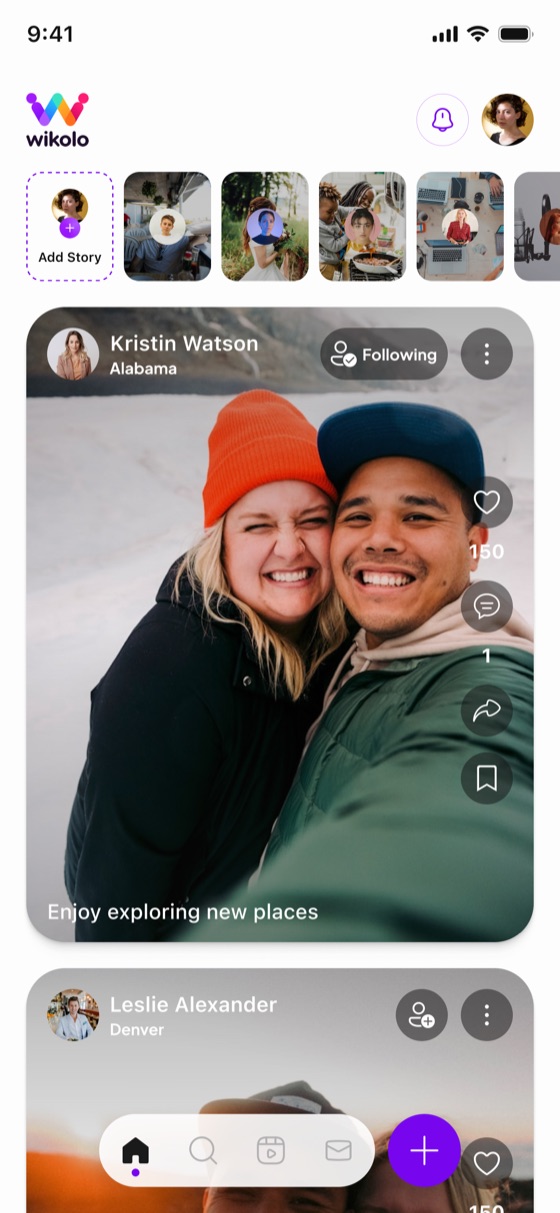
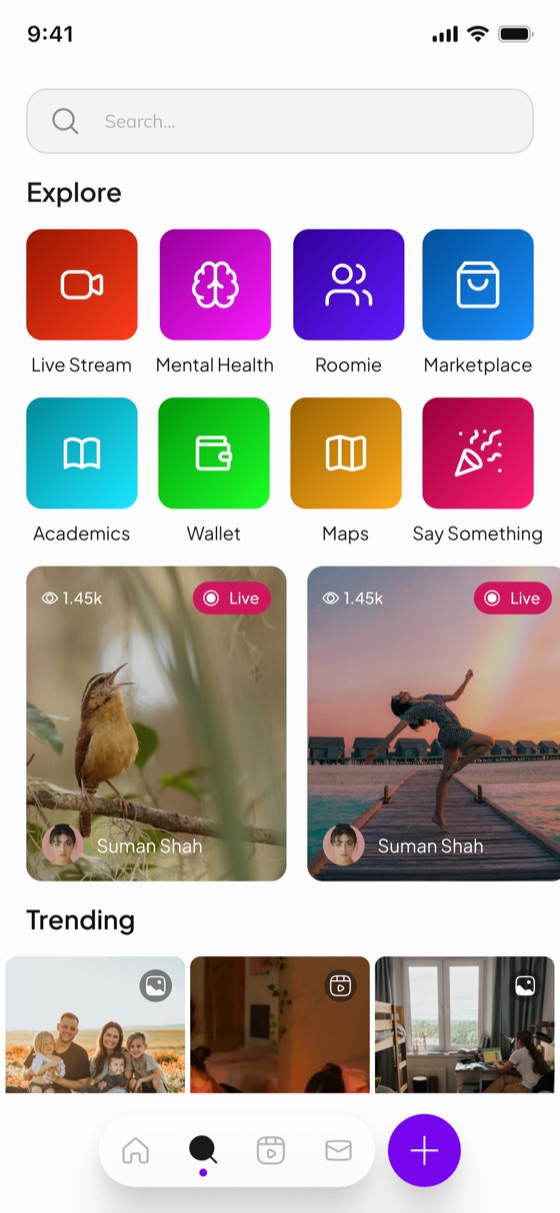
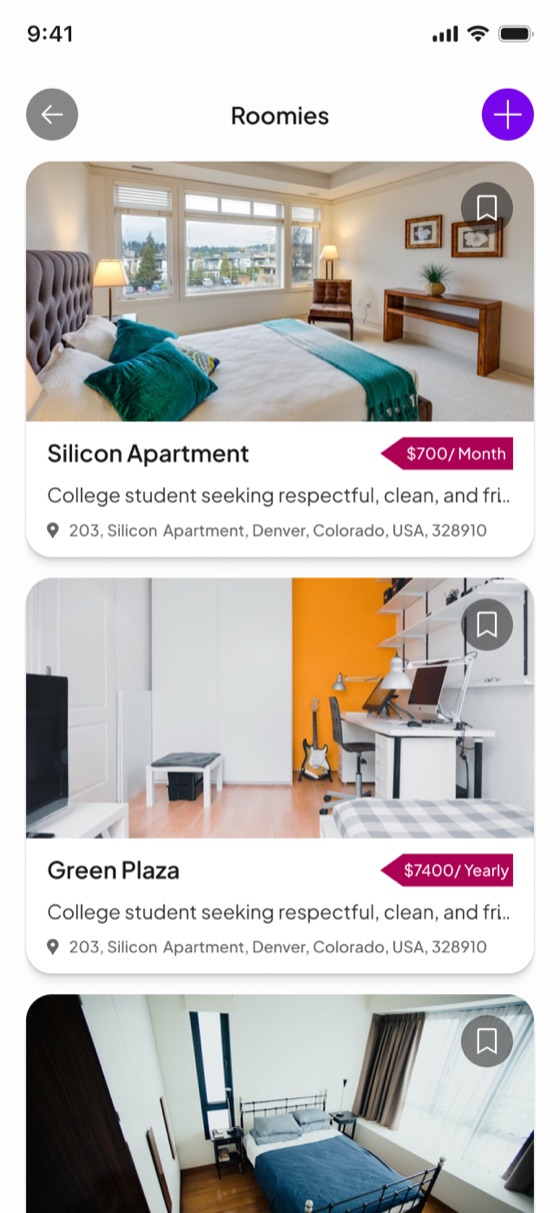
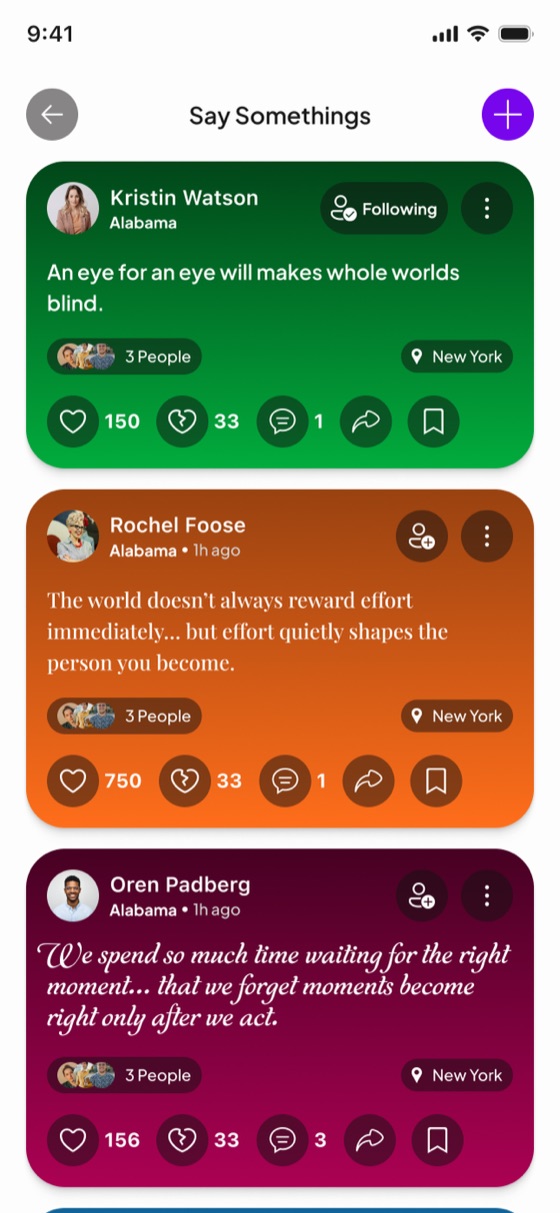
Wikolo

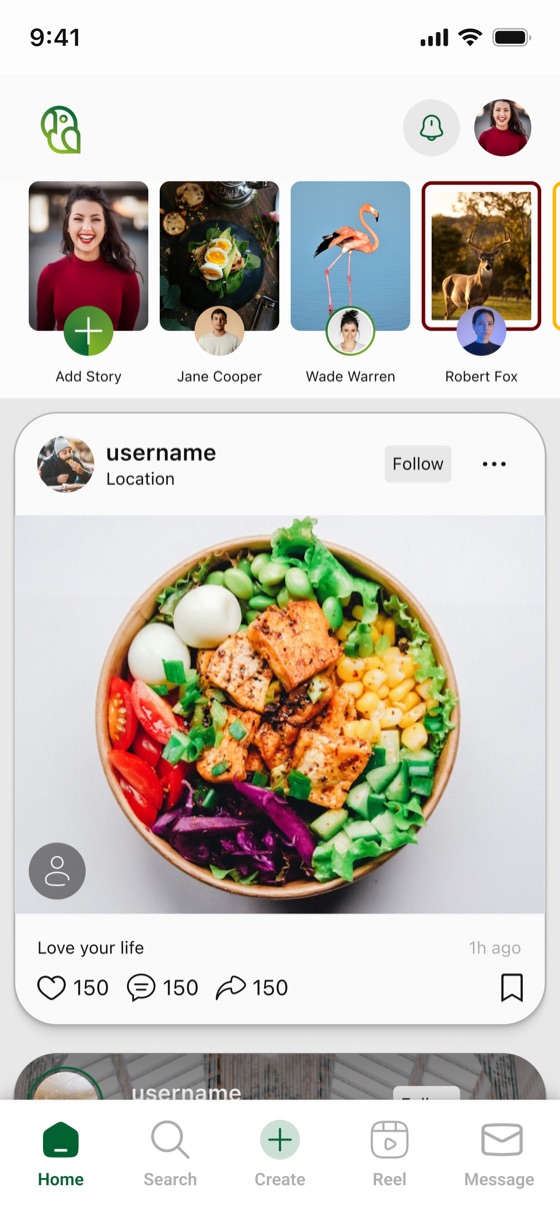
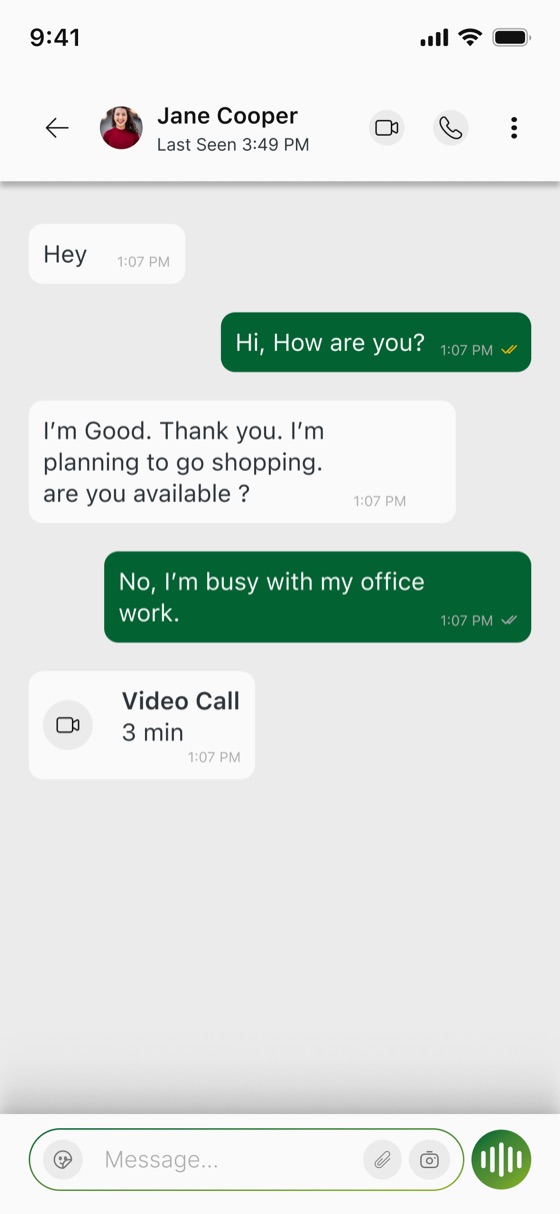
A Flutter social super-app built for U.S. college students — feed, stories, live rooms, a roommate finder and messaging in one product.

62K users8 weeks to launch8 modules
Read case study
Wikolo social feedWikolo exploreWikolo roommate finderWikolo post composer
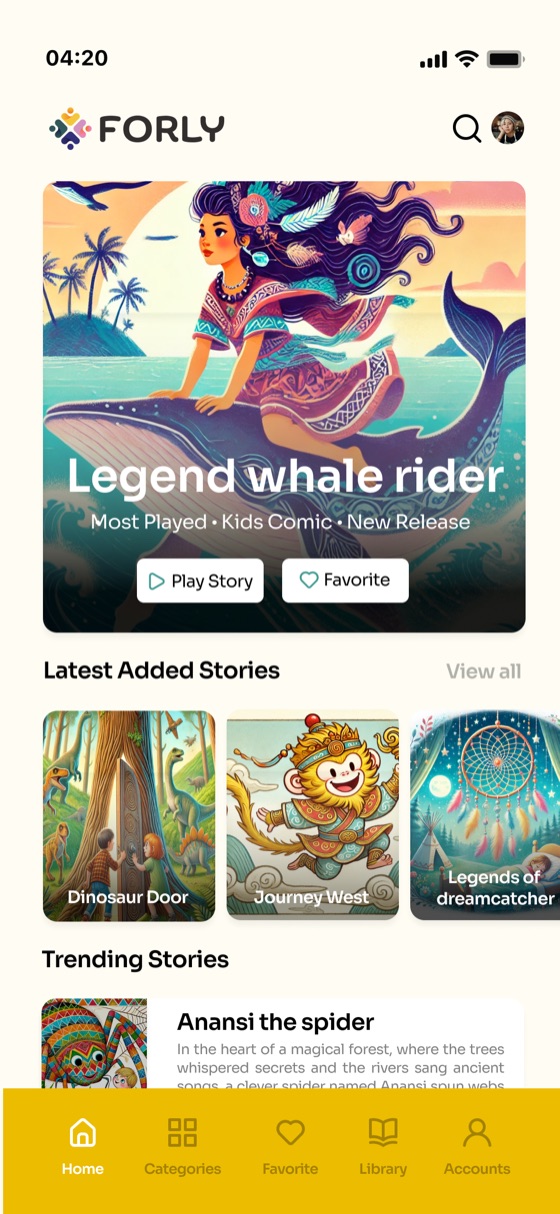
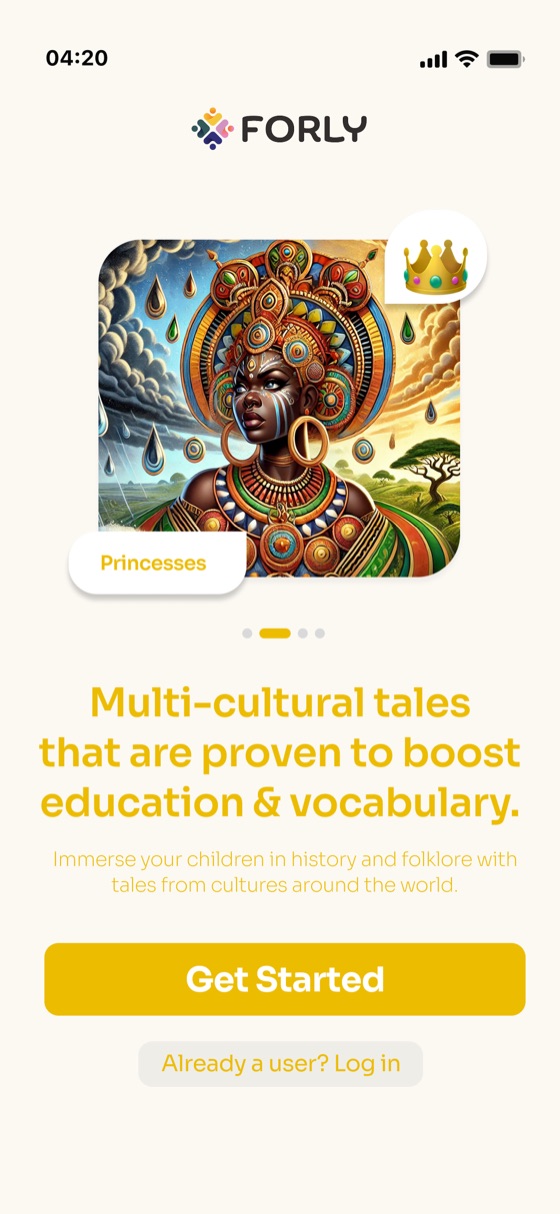
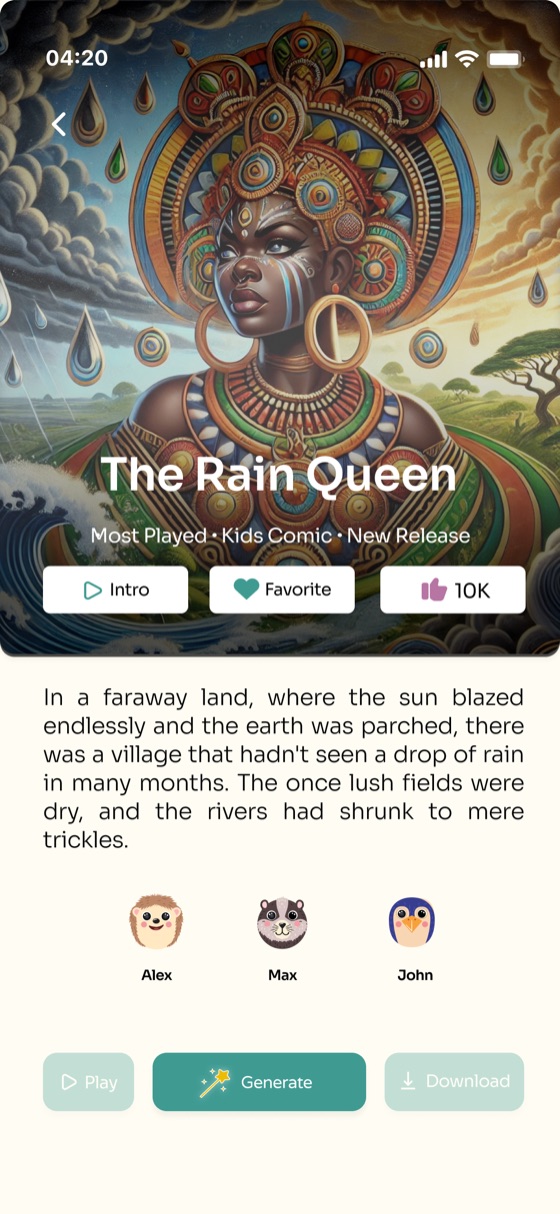
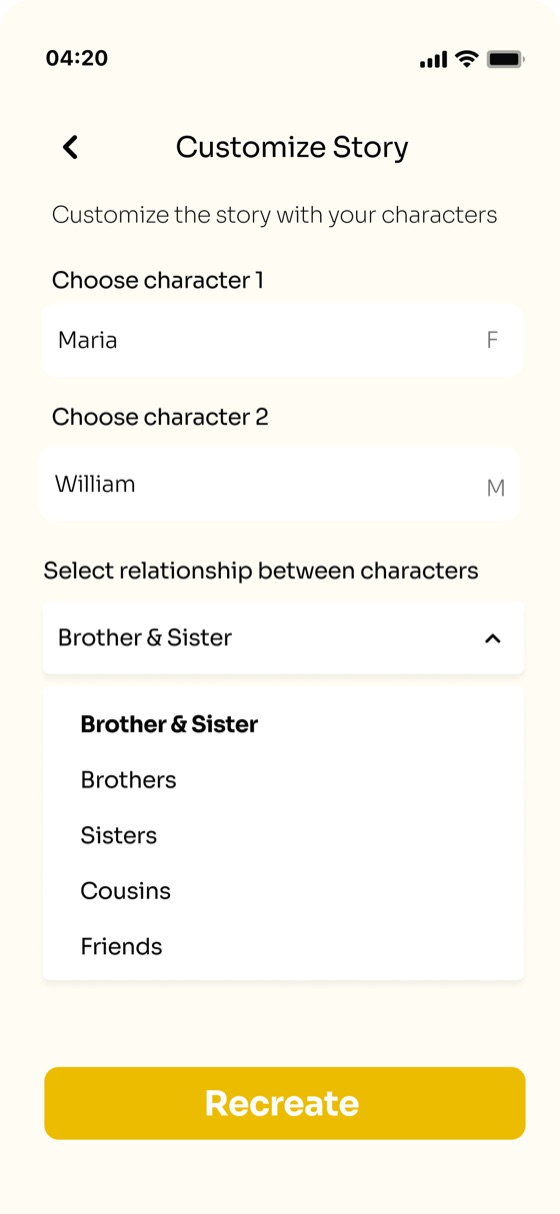
Forly homeForly profile switcherForly generating a storyForly create your story
AI Storytelling · UK

Forly

An AI story app with a Netflix-style profile switcher — separate libraries for kids and adults, each with GPT-generated stories and AI narration.

EdTech · UK68% trial-to-paid
Read case study
ESG Investing · USA

Illuminate

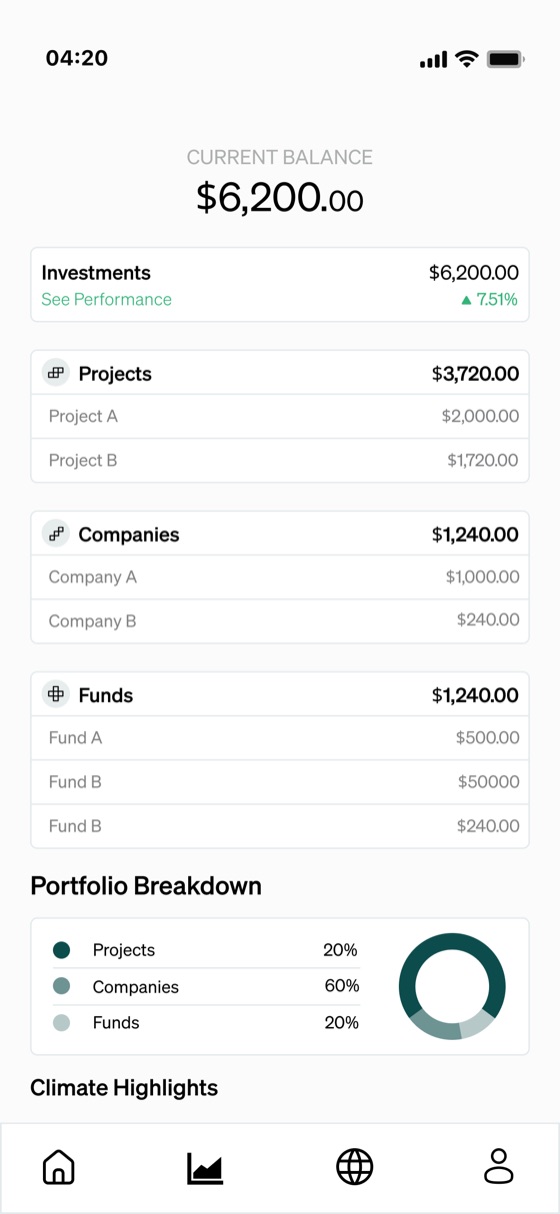
A Flutter ESG investing app — climate-impact stories, curated sustainable portfolios and plan tracking.

FinTech$2.4M AUM
Read case study
Illuminate climate hubIlluminate portfolio plan
Social Platform · USA

MyPerico

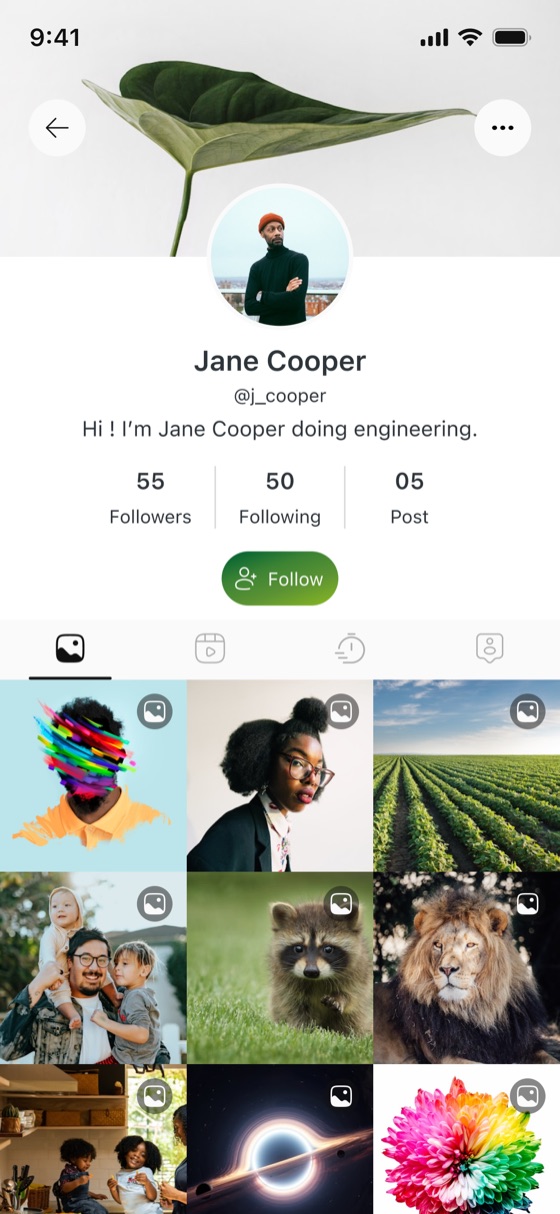
A social platform with feed, stories, chat and creator profiles — designed around paid live streaming.

Social3 revenue streams
Read case study
MyPerico feedMyPerico chatMyPerico profile
— Frequently asked

The five questions every AI buyer asks first.

If something's missing, email Prakash directly — replies come back the same day, no SDR layer.

What LLMs do you work with?
OpenAI (GPT-4o, o1), Anthropic (Claude 3.5 Sonnet, Opus), Meta Llama 3, Mistral, and Gemini — plus open-source models self-hosted on AWS or GCP. We're model-agnostic and pick based on your accuracy, latency and cost targets. We write the architecture so you can swap models without rebuilding the system.
How long does an AI project take?
A working prototype (RAG pipeline or single-agent flow) ships in 2 weeks. Production-ready — with evals, monitoring, auth and integrations — takes 4–8 weeks depending on data complexity. We work in 2-week sprints with a live demo at the end of each one; you're never waiting more than a fortnight to see progress.
Do you handle my proprietary data securely?
Yes. We sign NDAs before seeing any data. For on-premise or private-VPC deployments, your data never leaves your infrastructure. For cloud builds, we use Anthropic's and OpenAI's zero-data-retention API options where available, and implement field-level encryption for anything classified.
What's the difference between RAG and fine-tuning?
RAG retrieves relevant context at inference time from a vector store — best for document Q&A, internal knowledge bases, support bots. Fine-tuning bakes knowledge into model weights — best for consistent style, domain terminology, or tasks where latency matters and the knowledge is relatively static. Most enterprise use cases start with RAG because it's faster to iterate, easier to update, and the quality is now comparable on most tasks. We'll tell you honestly if fine-tuning is actually worth the cost for your use case.
How do you measure AI quality?
We build an evaluation harness before we write the first prompt — ground-truth Q&A pairs, retrieval precision/recall, hallucination detection, latency P50/P95 and cost-per-query benchmarks. Every sprint demo includes a live eval run. You get a dashboard showing model performance from day one — not a vibes check at launch, not "it seems to be working" after go-live.
— Let's build your AI system

Bring a use case. Leave with a prototype plan.

Every engagement starts with a 60-minute discovery call — Prakash or a senior AI engineer, never an SDR. You leave with a scoped proposal and a fixed quote in 48 hours.

Book a 60-min discovery call
— Founder will reply personally Prakash Singh · Matrytech